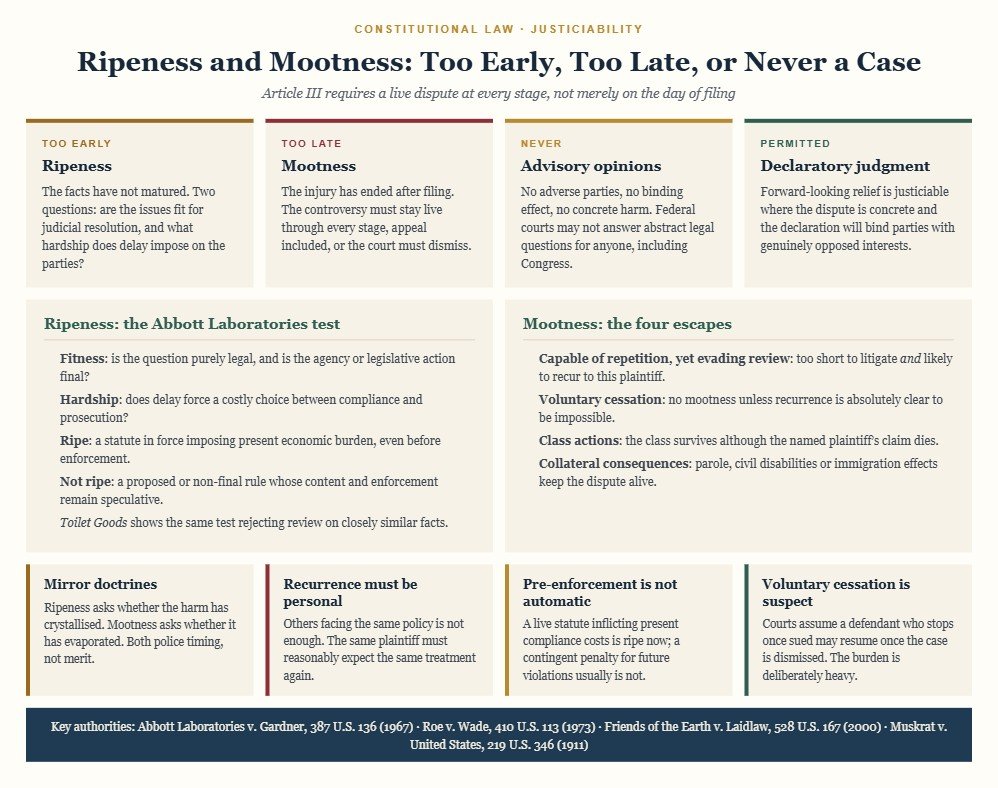
Ripeness and mootness explained: the fitness and hardship test, the four exceptions to mootness, and the line between advisory opinions and declaratory judgments.
Ripeness and Mootness: Timing Rules in Federal Court

Lawyer — real estate law, transactions and doctoral research.
Ripeness and mootness explained: the fitness and hardship test, the four exceptions to mootness, and the line between advisory opinions and declaratory judgments.
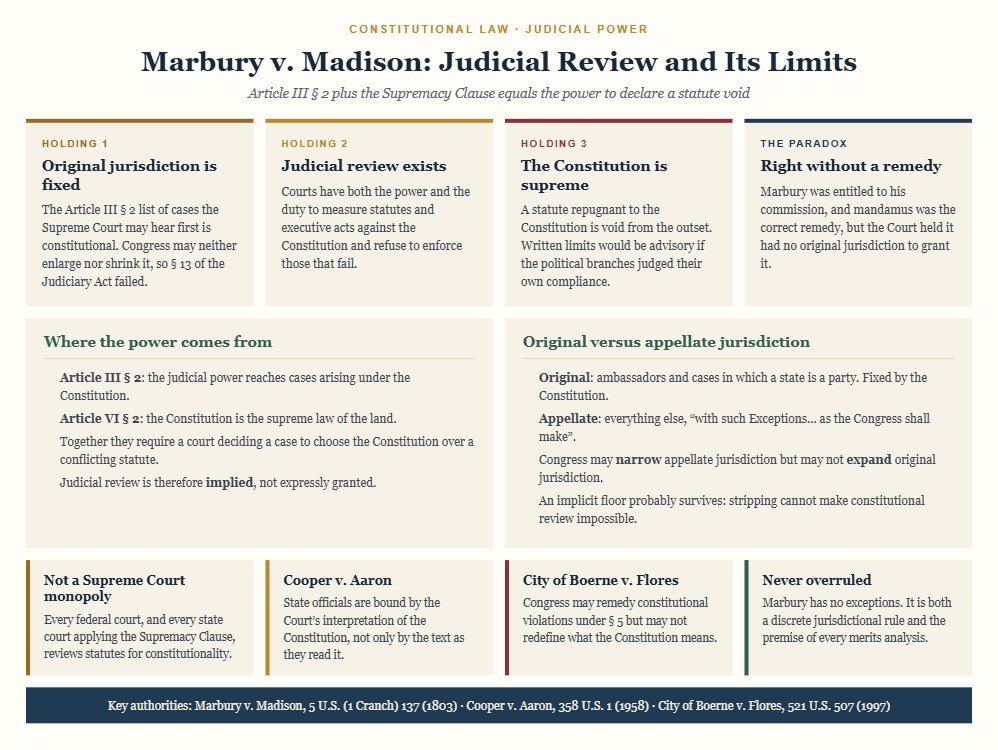
Marbury v. Madison explained: the three holdings, the textual basis for judicial review, and why Congress may limit appellate but not original jurisdiction.
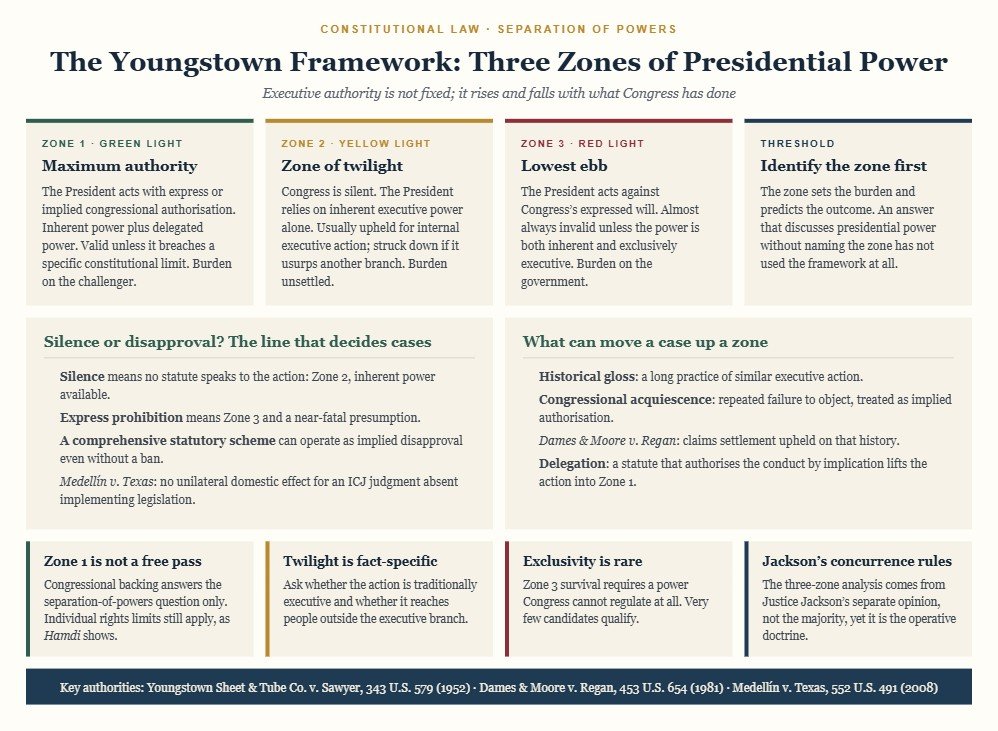
The Youngstown framework explained: the three zones of presidential power, who bears the burden in each, and how to tell silence from disapproval.
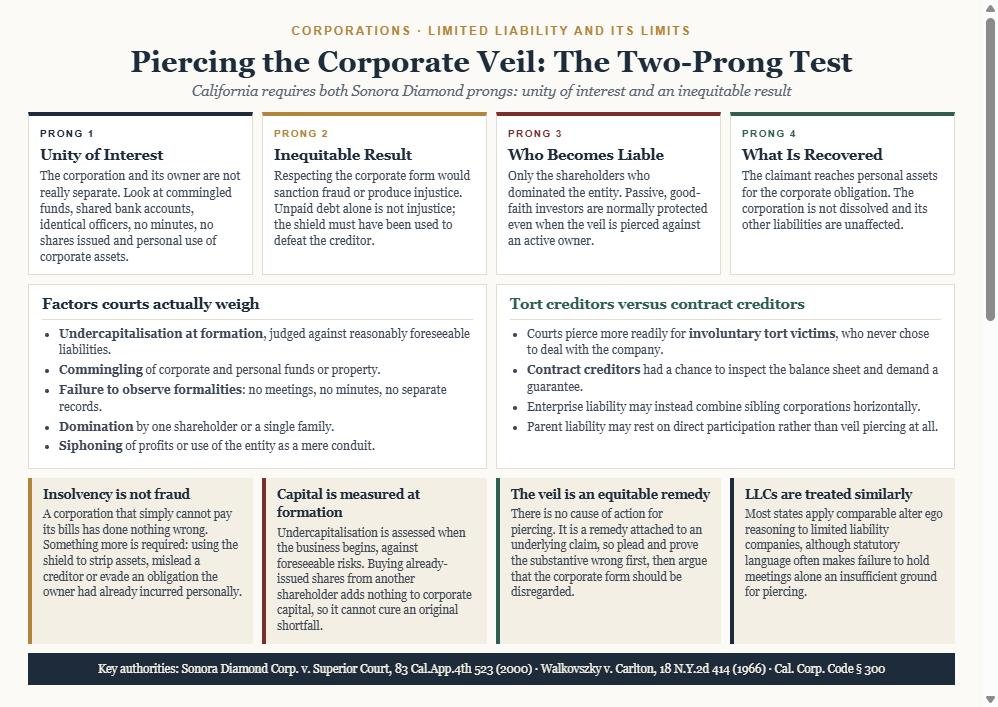
Piercing the corporate veil explained: the alter ego and inequitable result prongs, undercapitalisation, and tort versus contract creditors.
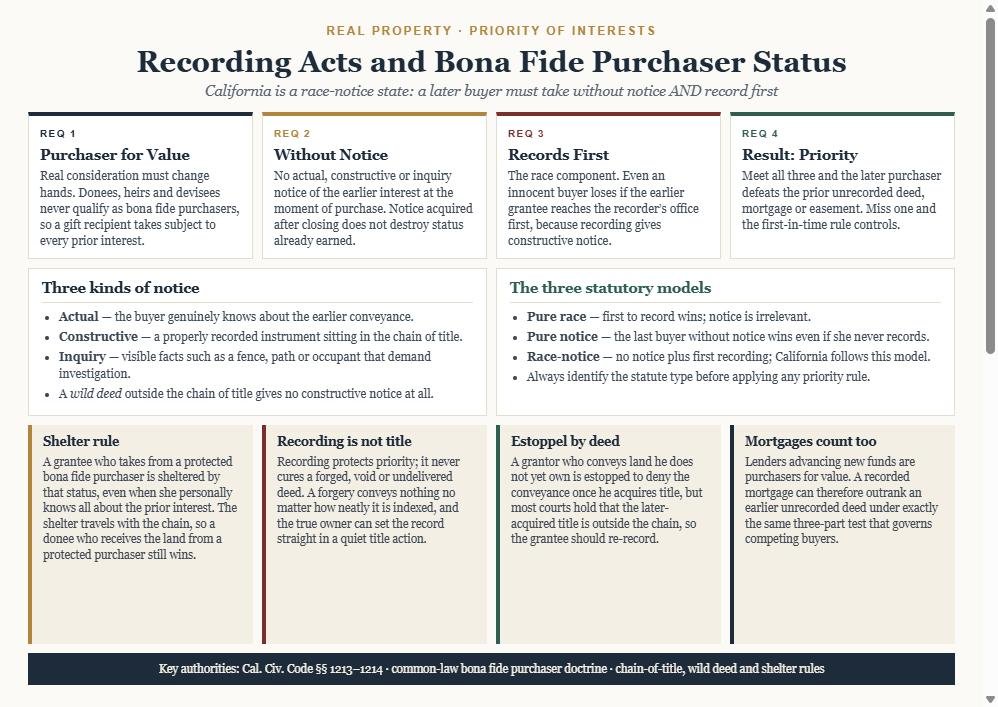
Recording acts decide who wins when two deeds conflict. Learn bona fide purchaser status, the three statutory models, notice types and the shelter rule.
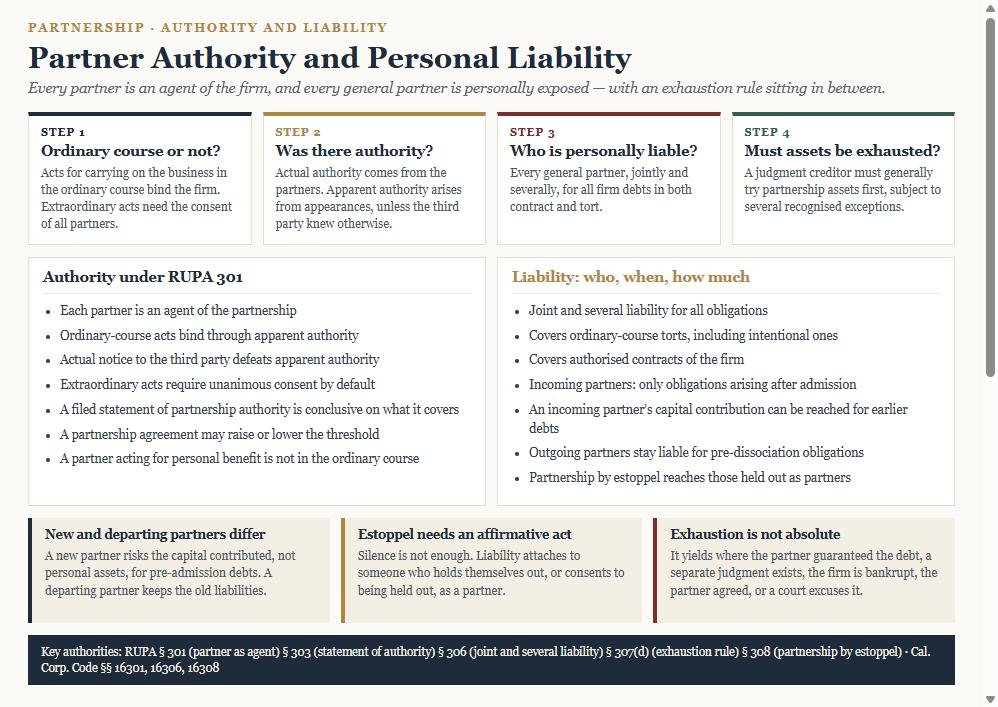
Partner liability explained: the ordinary course test, apparent authority, joint and several liability, the exhaustion rule and partnership by estoppel.
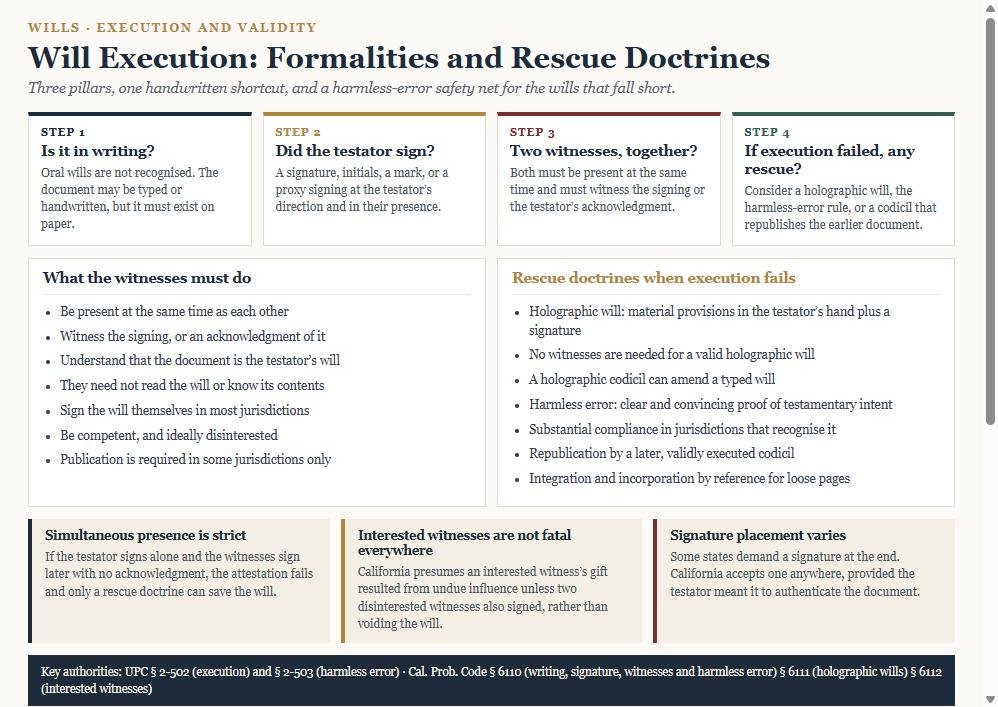
Will execution requirements explained: writing, signature and two witnesses, holographic wills, the harmless-error rule and the interested-witness problem.
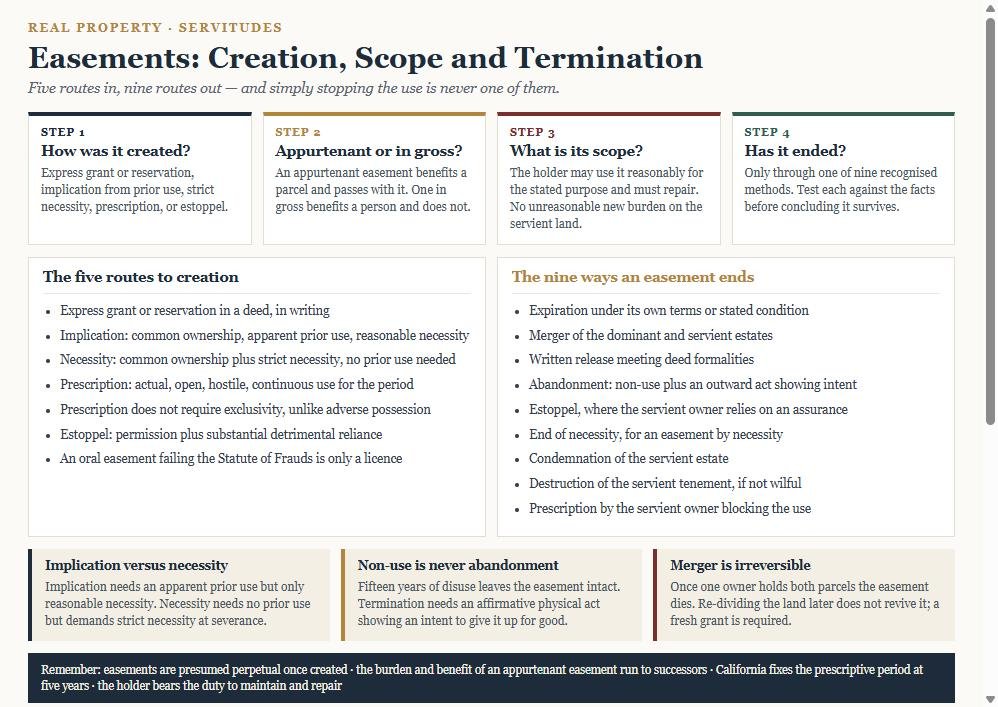
Easements explained: the five creation routes, appurtenant versus in gross, scope and repair duties, and the nine ways an easement can be terminated.
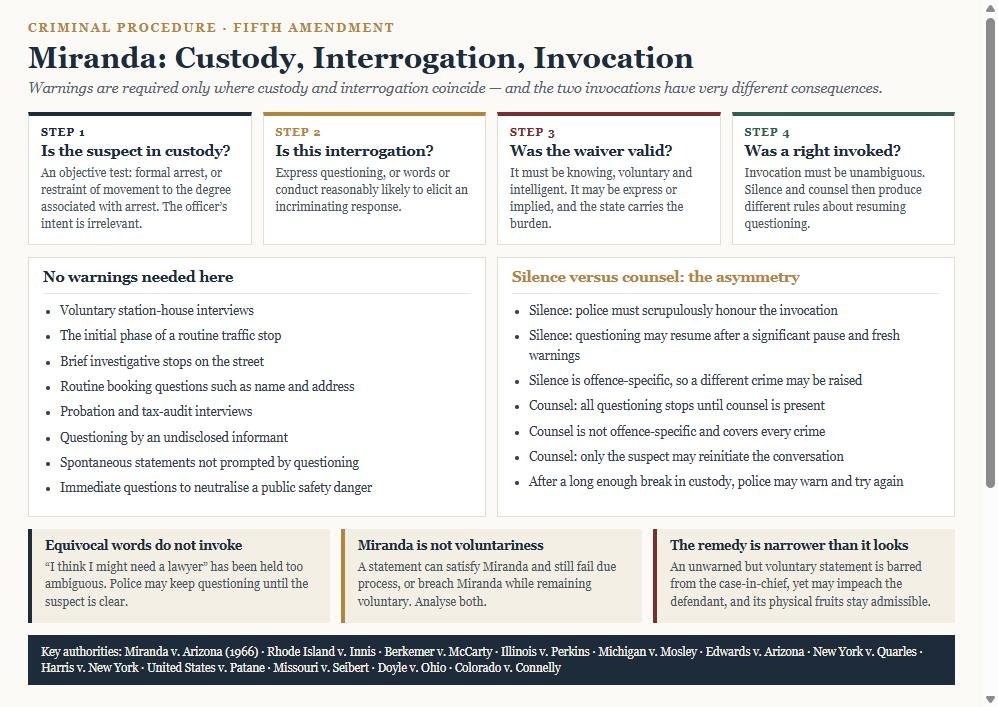
Miranda rights explained: when custody and interrogation coincide, what makes a waiver valid, how silence and counsel differ, and what a violation really costs.
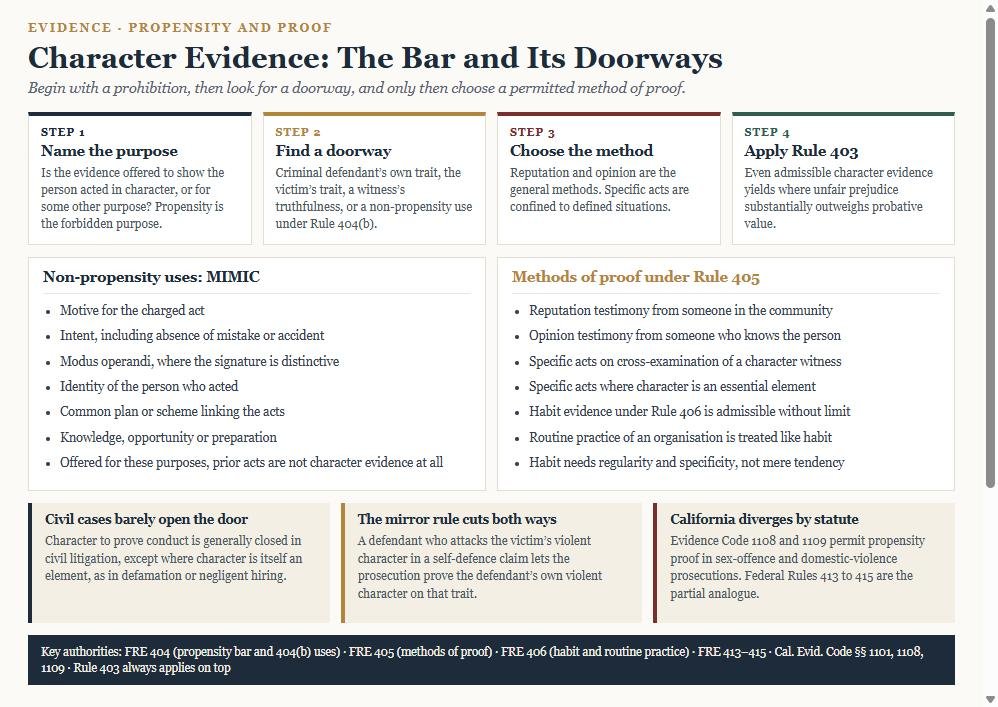
Character evidence explained: the propensity bar, the criminal doorways, the MIMIC uses under Rule 404(b), methods of proof, and habit under Rule 406.