
The will execution requirements are the most mechanical rules in the wills syllabus and the easiest to answer badly. Fact patterns are built by removing one formality and then testing whether you know which rescue doctrine, if any, saves the document. The reliable method is to prove each pillar in turn and only then reach for a doctrine of last resort.
This guide covers the writing, signature and attestation requirements, the holographic will that dispenses with witnesses altogether, the harmless-error rule that forgives defective execution, and the interested-witness problem that behaves differently depending on the jurisdiction.
Why formalities exist at all
A will speaks only after its author can no longer explain it. The formalities are therefore evidentiary and protective: they establish that the document is genuine, that it was meant as a will rather than as a draft or a wish, and that the testator acted free of pressure. Understanding that purpose is what allows courts to forgive some defects and not others.
Two competing philosophies run through the case law. Strict compliance treats each requirement as a condition of validity. Modern reform, reflected in the Uniform Probate Code and in many state statutes, asks whether the testator’s intent is clear enough to override a technical failure. Say which philosophy your jurisdiction follows before you conclude.
Pillar one: a writing
The will must exist in writing. Oral wills are not recognised, with narrow historical exceptions for soldiers and sailors that survive in very few jurisdictions. The document may be typed, printed or handwritten, and it may be assembled from several sheets, which is where the doctrines of integration and incorporation by reference become relevant.
Pillar two: the testator’s signature
The testator must sign. What counts as a signature is generous: a full name, initials, a mark, or a signature made by another person at the testator’s direction and in the testator’s presence. The touchstone is whether the testator intended the act to authenticate the document.
Placement is where jurisdictions diverge. Strict-compliance states require the signature at the physical end of the will. California, under Probate Code section 6110, permits the signature to appear anywhere, though a signature in an unusual position invites the court to look for clear and convincing evidence that the testator meant it as an authenticating signature rather than as, say, a note in the margin.
Pillar three: attestation by two witnesses
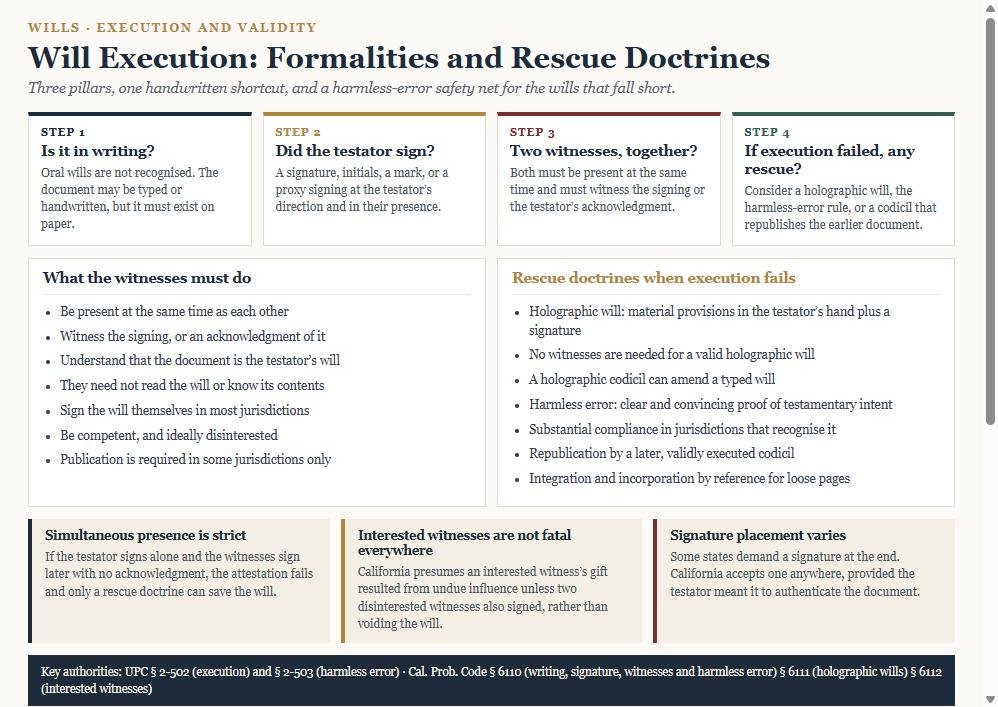
Two witnesses are required, and the details matter more than the number.
- Both must be present at the same time. This simultaneity requirement is heavily litigated.
- Each must witness either the testator signing or the testator acknowledging the signature or the will.
- Each must understand that the document is the testator’s will, though nobody is required to read it.
- In most jurisdictions the witnesses must sign the will themselves.
- Some jurisdictions additionally require publication, meaning the testator declares that the document is a will.
The classic failure runs like this: the testator signs alone in the morning, and two witnesses sign in the afternoon without ever seeing the testator sign or hearing any acknowledgment. Attestation fails, and the will survives only if a rescue doctrine applies.
The interested-witness problem
A witness who receives a benefit under the will has an obvious incentive to support it. Traditional strict-compliance jurisdictions responded harshly, treating an interested witness as fatal to the attestation and sometimes to the whole will.
The modern approach is more surgical. Under California Probate Code section 6112, an interested witness does not void the will; instead the gift to that witness is presumed to be the product of fraud, duress, menace or undue influence unless at least two disinterested witnesses also signed. If the presumption is not rebutted, the witness takes only what they would have received without the will. Notice what this does to your answer: the question becomes about one gift, not about the document.
| Defect | Strict compliance result | Modern result |
|---|---|---|
| Signature not at the end | Invalid | Valid if intended to authenticate |
| Witnesses not simultaneously present | Attestation fails | Harmless error may save the will |
| Interested witness | Will or attestation may fail | Gift presumed the product of undue influence |
| No witnesses at all | Invalid | Valid if it qualifies as holographic |
| No publication | Invalid where required | Usually irrelevant |
| Unsigned by witnesses | Invalid | Harmless error may apply |
Exam tip: work the pillars in order and stop at the first failure. Then ask, in this order, whether the document qualifies as holographic, whether harmless error applies, and whether a later valid codicil republished it. Answers that reach for harmless error first usually miss the easier holographic route.
Holographic wills
A holographic will needs no witnesses. It requires that the material provisions be in the testator’s own handwriting and that the testator sign it. Because attestation drops out entirely, a handwritten letter that disposes of property and bears a signature can be a valid will even though it looks nothing like one.
Two refinements matter. The date is not always required, but its absence can create problems where two instruments conflict or where capacity is disputed. And the modern trend allows a holographic codicil to amend a typed and formally witnessed will, so handwritten changes in the margin of a printed document deserve analysis rather than dismissal.
Harmless error and substantial compliance
The harmless-error rule permits a court to treat a defectively executed document as validly executed if the proponent proves by clear and convincing evidence that the testator intended it as their will. California adopts this in section 6110(c)(2) for failures of the witnessing requirement, and the Uniform Probate Code contains a broader version in section 2-503.
Substantial compliance is the older and narrower cousin: it asks whether the execution came close enough to satisfy the purposes of the formalities. Where both are available, harmless error is the stronger argument because it focuses on intent rather than on how nearly the ritual was performed. Note also that the standard of proof is elevated. Clear and convincing evidence means more than a plausible story about what the testator probably wanted.
Common mistakes that cost points
- Concluding that a will fails for lack of witnesses without testing whether it qualifies as holographic.
- Requiring the signature at the end in a jurisdiction that does not.
- Treating the simultaneous presence requirement as satisfied by witnesses who signed on the same day.
- Assuming an interested witness voids the entire will.
- Applying harmless error on a preponderance standard instead of clear and convincing evidence.
- Forgetting that a valid later codicil republishes and can validate the earlier document.
- Overlooking a proxy signature, which is permitted where made at the testator’s direction and in their presence.
- Conflating execution defects with capacity or undue influence, which are separate grounds of contest.
Frequently asked questions
Do the witnesses have to know what the will says?
No. They must know the document is the testator’s will, but they are not required to read it or to be told how the property is divided. That is why a testator may keep the contents private while still executing validly.
Can a will be signed electronically?
A growing number of jurisdictions authorise electronic wills under specific statutes with their own attestation and storage requirements, but the general electronic transactions statutes usually exclude wills. Do not assume the ordinary rules on electronic signatures carry over.
What happens to the will if the formalities fail entirely?
The estate passes by intestate succession, or under an earlier will that was validly executed and never effectively revoked. Always identify the fallback distribution, because a complete answer explains not only that the will fails but where the property then goes.
Executing a will in California: probate practice in 2026
California is notably forgiving about will formalities compared with many states, and a Los Angeles County practitioner needs to know all three routes to a valid will. Section 6110 of the California Probate Code sets the standard requirements: a writing, signed by the testator, and witnessed by two people present at the same time who understood the instrument to be the testator’s will.
Two departures matter. First, since 2009 California has had a harmless error provision: a will that fails the witnessing requirement may still be admitted if the proponent establishes by clear and convincing evidence that the testator intended the document to be their will. Second, section 6111 recognises holographic wills, valid without any witnesses provided the signature and the material provisions are in the testator’s own handwriting. California also publishes a statutory will form that a testator may complete without a lawyer.
How this plays out in county probate:
- Petitions go to the probate division. Matters are filed in the Los Angeles Superior Court, where staff attorney notes identify defects before the hearing, so reading the notes in advance is essential.
- Holographic wills invite handwriting disputes. Expect evidence about which parts were written by the testator and when.
- Presumptions target drafters and caregivers. Section 21380 presumes a donative transfer to a drafter, care custodian or certain fiduciaries is the product of fraud or undue influence.
- Small estates avoid probate. Affidavit and petition procedures are available below statutory thresholds, which are adjusted periodically; confirm the current figure before advising.
- Revocable trusts are the norm here. Given county property values, most estate plans use a trust with a pour-over will to avoid probate delay and fees.
- No-contest clauses are narrowly enforced. California limits them to specified categories of challenge brought without probable cause.
In 2026, verify current thresholds and local probate rules with the court before filing. Read with the rule against perpetuities, trustee duties and community property presumptions.
Next steps
Execution is only the first of three attacks on a will; capacity and undue influence are the others, and a strong answer keeps them separate. Because the writing and signature requirements here echo those elsewhere in the syllabus, it is worth reading the statute of frauds and MYLEGS alongside this guide. If the estate includes assets acquired during a marriage, the community property presumptions determines what the testator was actually free to dispose of.
For practice, take one properly executed will and break it four times: move the signature, separate the witnesses in time, make a beneficiary one of the witnesses, then remove the witnesses altogether. Reading the overview of wills at Cornell’s Legal Information Institute and the text of Probate Code section 6110 afterwards will show you how narrowly the rescue doctrines are drafted.
Related guides
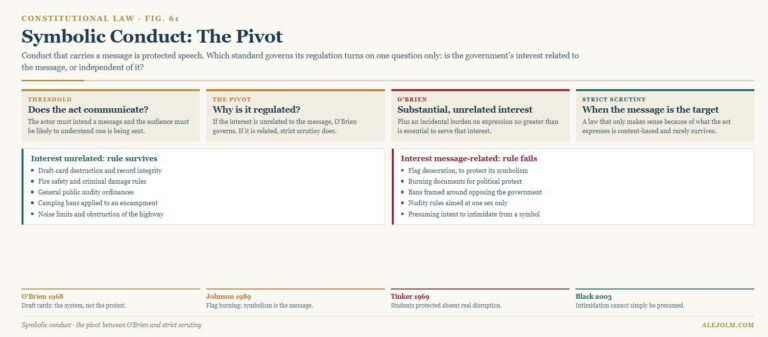 Symbolic Conduct and the O’Brien Test: The Pivot Question
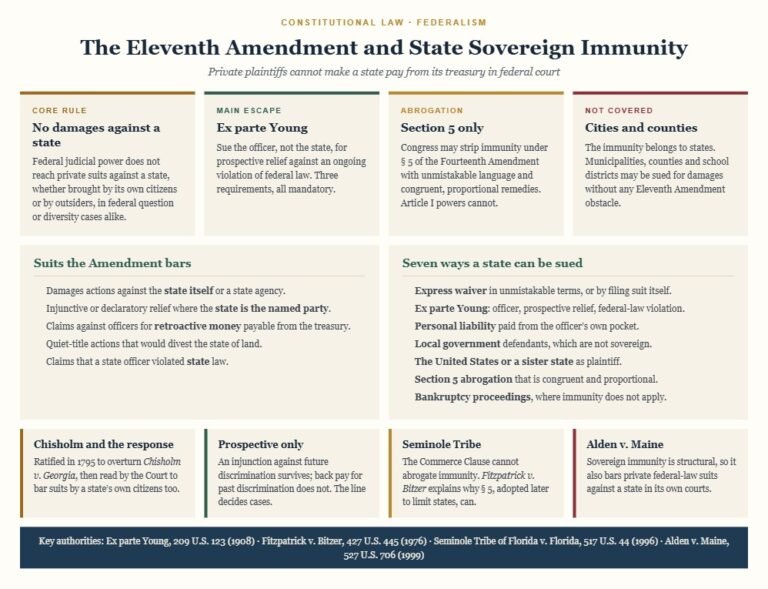 The Eleventh Amendment and State Sovereign Immunity
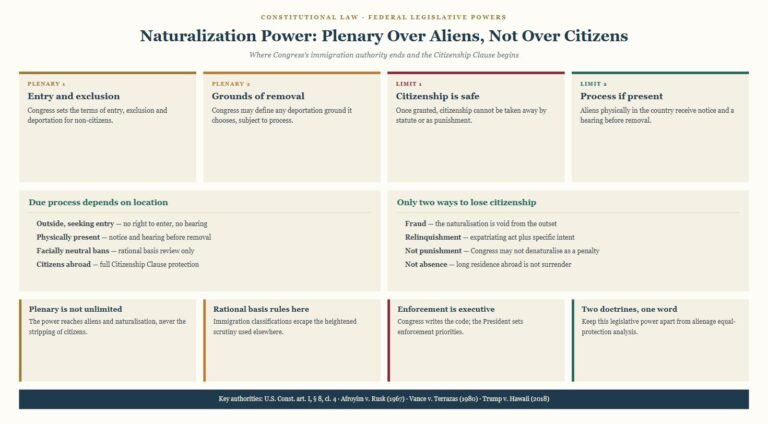 Congress’s Naturalization Power and Citizenship Limits
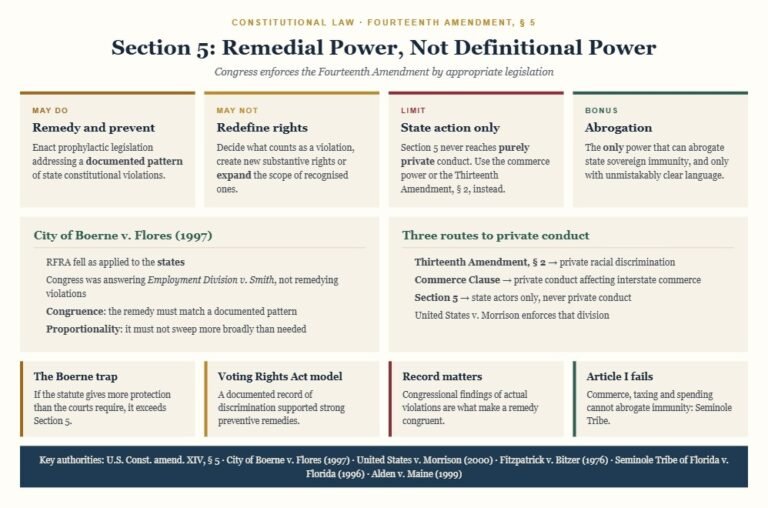 Section 5 Enforcement Power: Remedy, Do Not Redefine
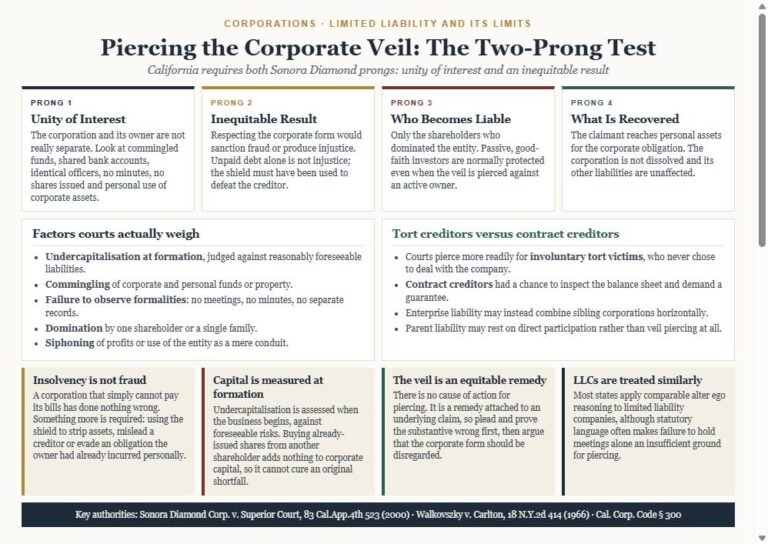 Piercing the Corporate Veil: A Two-Prong Alter Ego Test
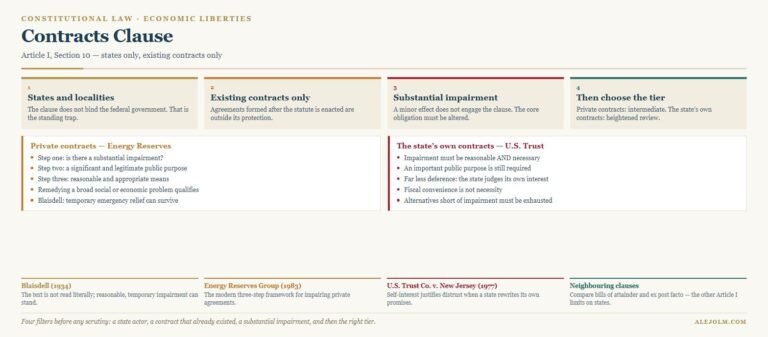 Contracts Clause: When States May Impair Agreements
 3 Levels of Scrutiny in Constitutional Law Explained
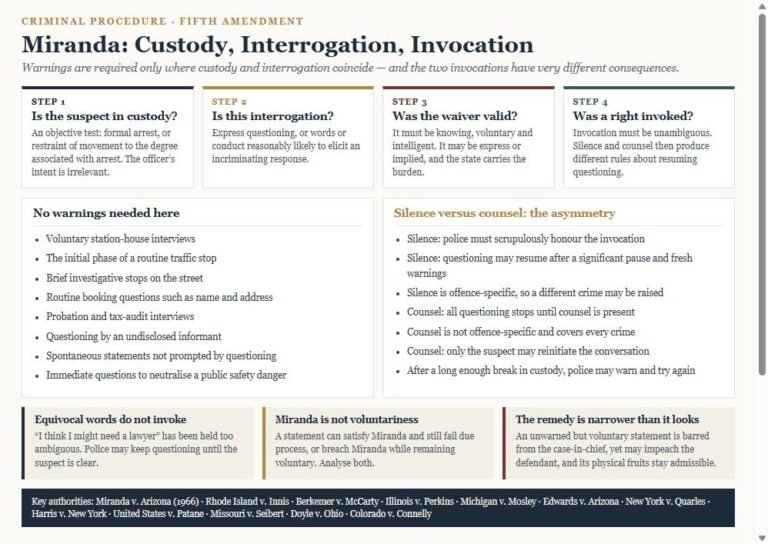 Miranda Rights: Custody, Interrogation and Invocation
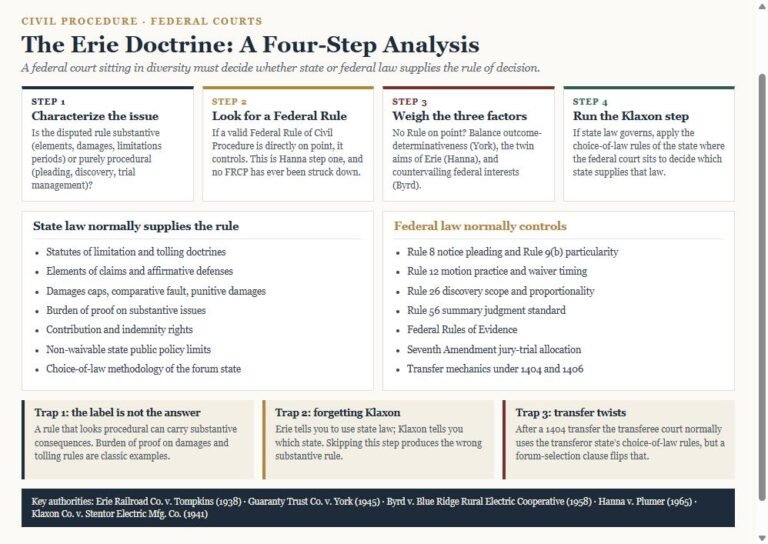 The Erie Doctrine Explained: A 4-Step Bar Exam Guide
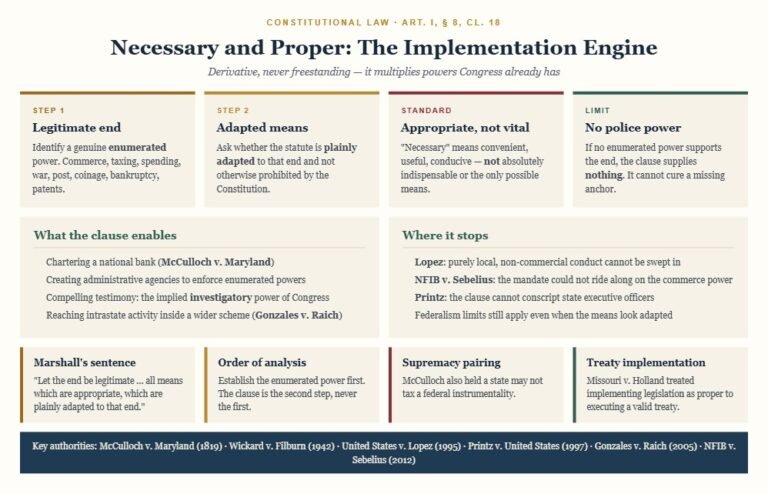 The Necessary and Proper Clause: Congress’s Multiplier
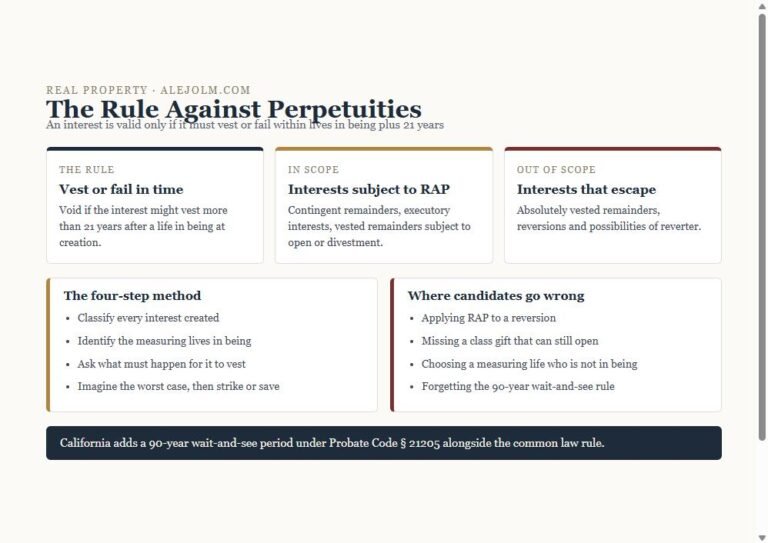 The Rule Against Perpetuities Explained Step by Step
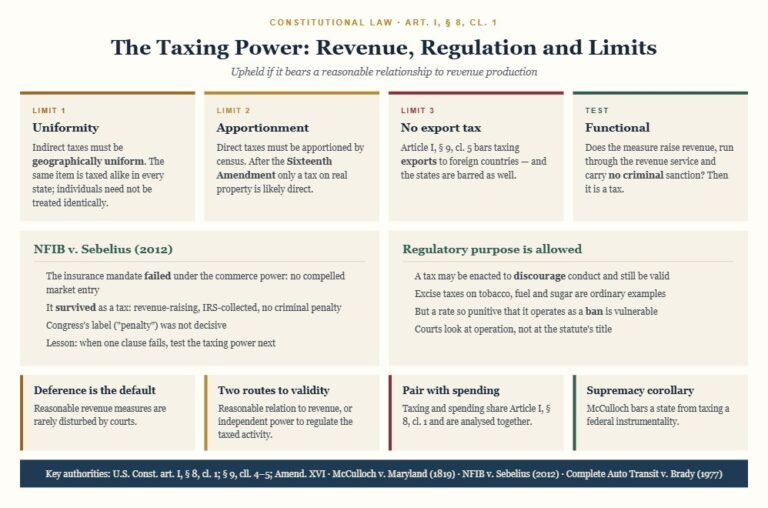 Congress’s Taxing Power: When a Penalty Is Really a Tax