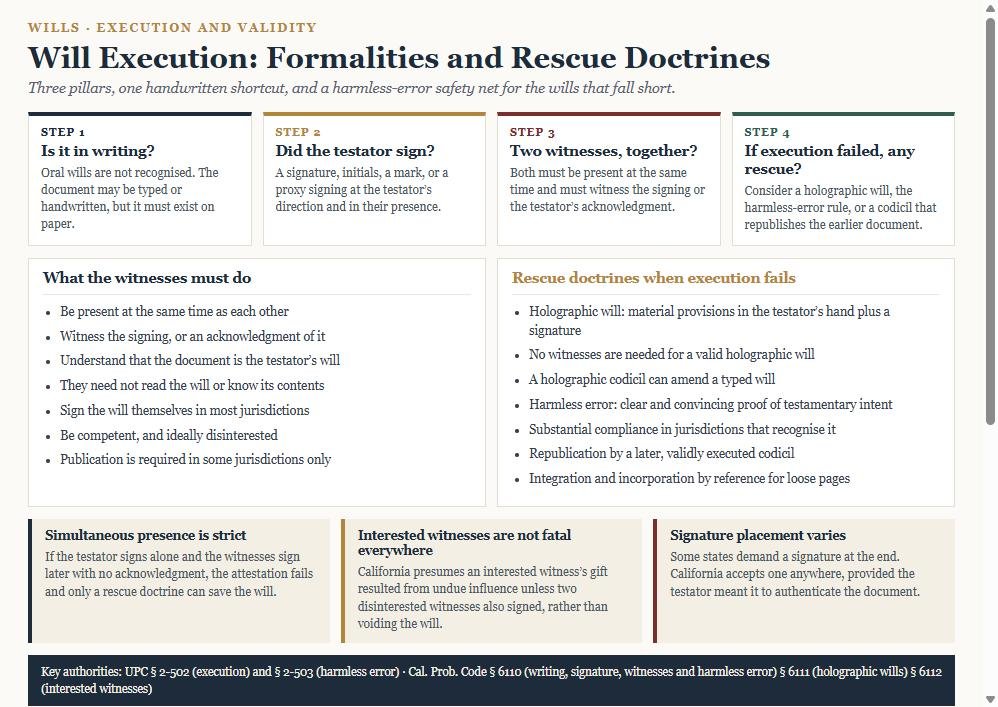
Will execution requirements explained: writing, signature and two witnesses, holographic wills, the harmless-error rule and the interested-witness problem.
Will Execution Requirements: Formalities and Rescue

Lawyer — real estate law, transactions and doctoral research.
Will execution requirements explained: writing, signature and two witnesses, holographic wills, the harmless-error rule and the interested-witness problem.
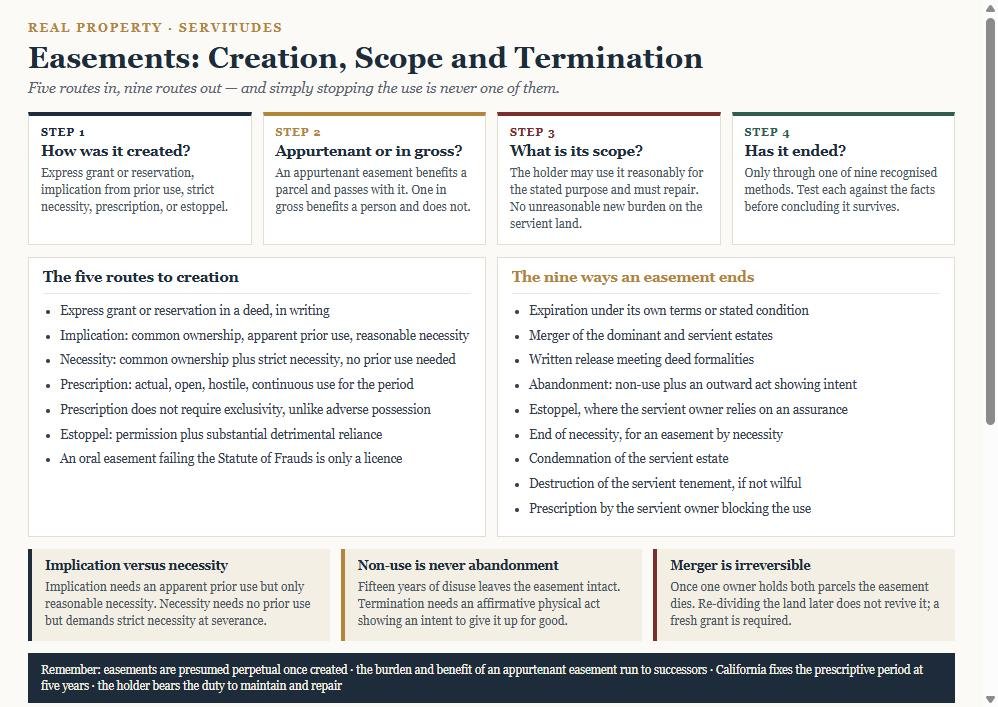
Easements explained: the five creation routes, appurtenant versus in gross, scope and repair duties, and the nine ways an easement can be terminated.
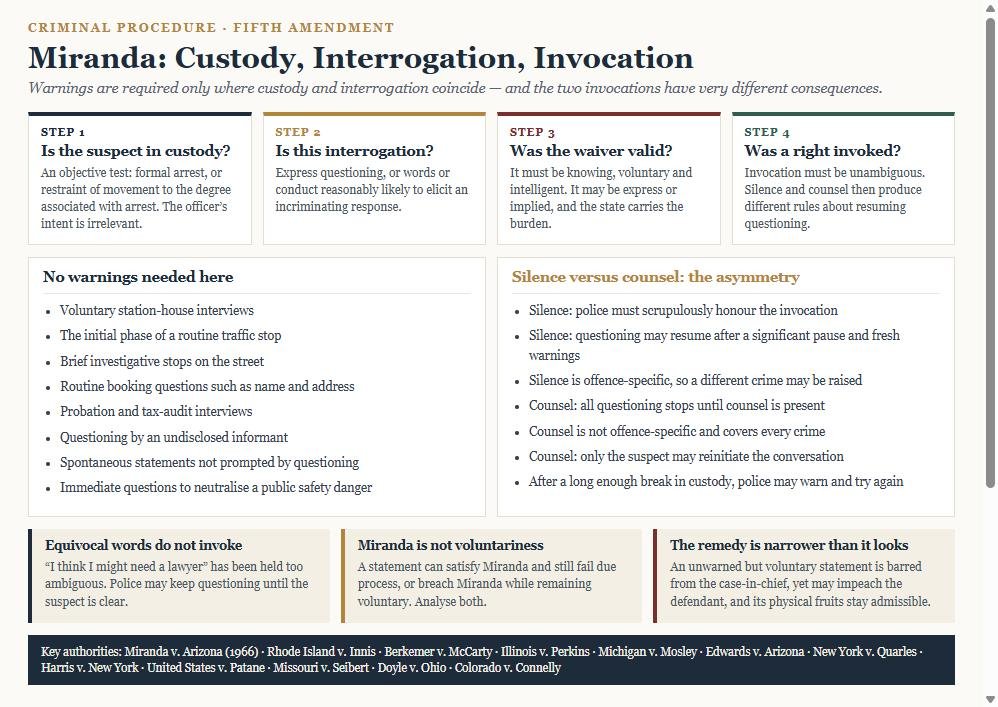
Miranda rights explained: when custody and interrogation coincide, what makes a waiver valid, how silence and counsel differ, and what a violation really costs.
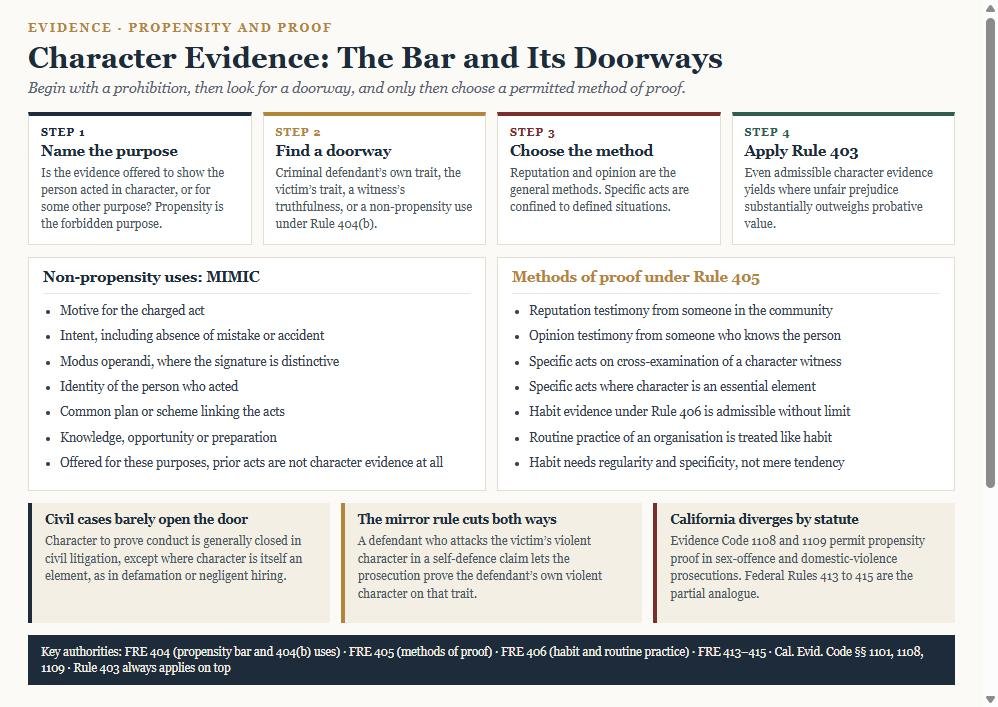
Character evidence explained: the propensity bar, the criminal doorways, the MIMIC uses under Rule 404(b), methods of proof, and habit under Rule 406.
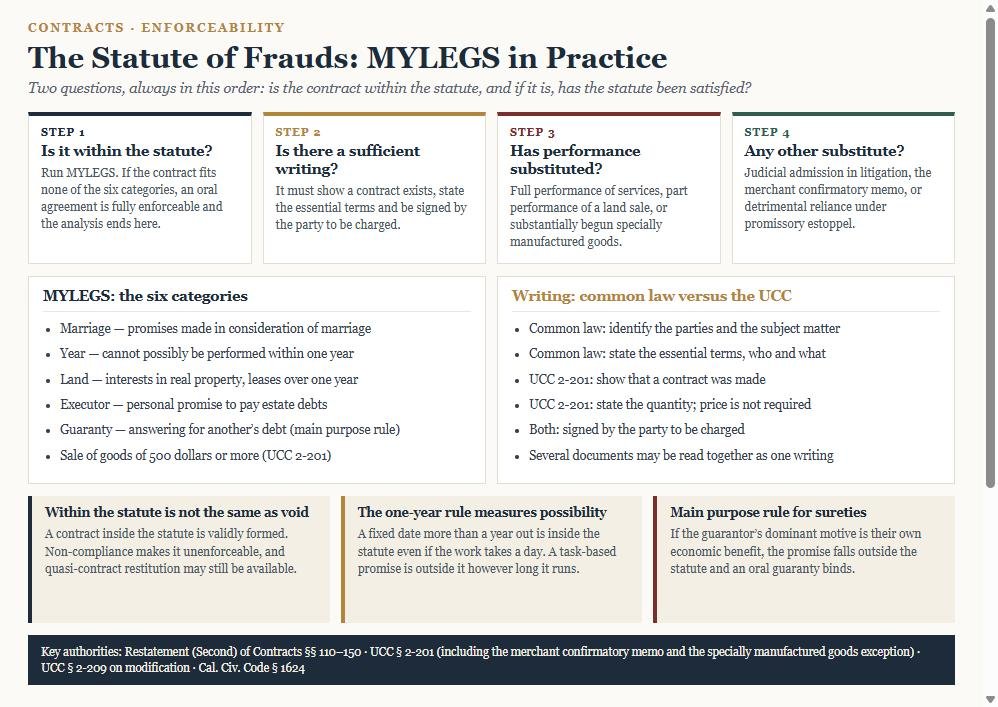
The statute of frauds in two steps: use MYLEGS to spot contracts inside the statute, then satisfy it with a writing, performance or a judicial admission.
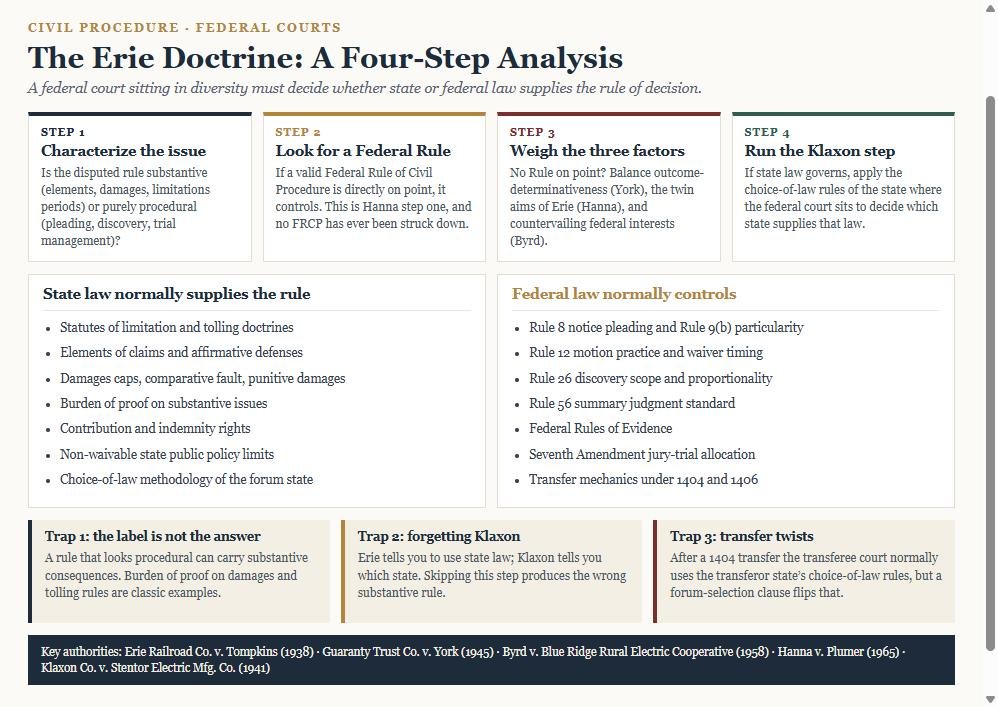
Learn the Erie doctrine in four steps: characterise the issue, check the Federal Rules, weigh the twin aims of Erie, then apply the Klaxon choice-of-law step.
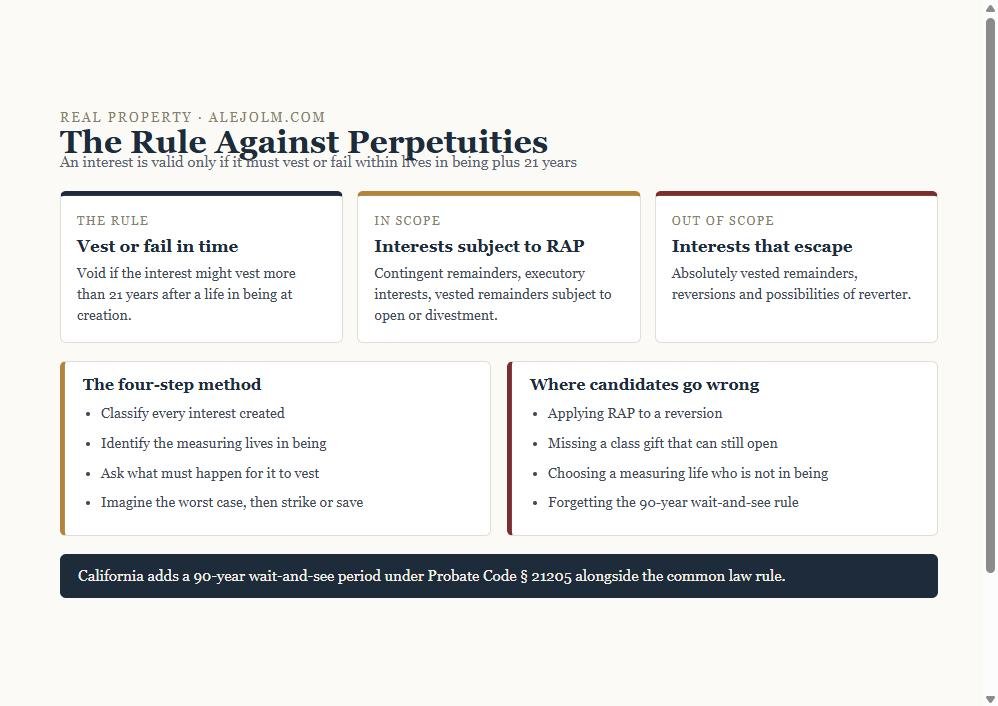
The Rule Against Perpetuities explained: which interests are subject to RAP, how to pick a measuring life, and California's 90-year wait-and-see rule.

Personal jurisdiction on the bar exam: traditional bases, long-arm statutes and minimum contacts, plus specific vs general jurisdiction and waiver.

Master the three levels of scrutiny in constitutional law: rational basis, intermediate and strict scrutiny, with elements, key cases and mistakes.
A research article on Trump v. Barbara (2026): the historical evolution of the Citizenship Clause of the Fourteenth Amendment and the case law that shaped it.